
Frame Pacing
It's not about the average FPS; it's about the consistency of the gap between frames. Stuttering kills immersion. We prioritize a rock-solid 60ms cadence over a fluctuating 90-120 range.
Premium updates for the elite gaming ecosystem. We don’t just ship code; we refine architecture. Explore the latest developer logs, community events, and technical patch notes.
Architect's Note: All systems are currently tuned for high-fidelity throughput. Expect localized maintenance on 2026.02.05 for chipset optimization.
A curated collection of strategic updates, from kernel-level patches to community legend spotlights.
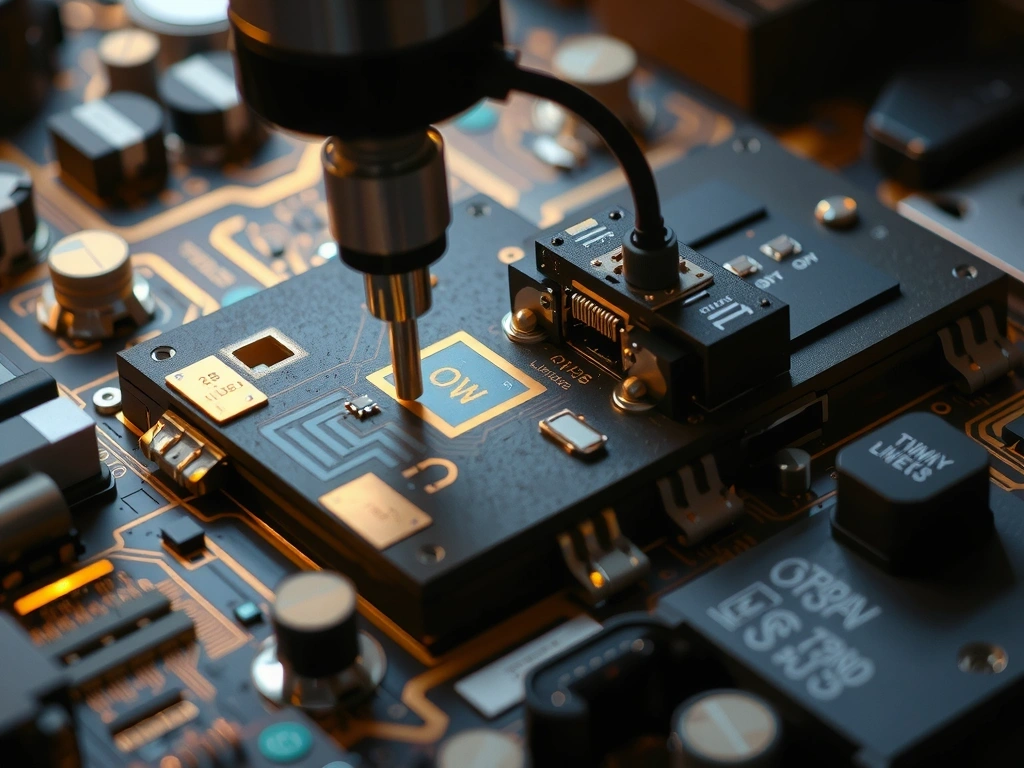
We've re-engineered the server-authoritative handshake to reduce input lag by an additional 4ms for players on high-resolution 5G networks. This deep-dive explains how we achieved consistent 120Hz frame pacing on the latest chipset architectures without increasing thermal stress.
Read Developer Log →A gathering of the world's most disciplined competitive gamers at Alexanderplatz 5. Relive the moments where strategy met pure execution.
 View Gallery
New instruction sets now available for improved battery efficiency while maintaining peak GPU clocks.
Detail →Player "Cortex_V" breaks the 10-minute speed barrier in the Core-System Matrix.
Community ProfileEffective March 2026, version 1.0 protocols will be transitioned to the new secure vault layer.
Read Mandate
Every update at Arcenova is the result of a deliberate weighing of technical constraints. We do not chase "more" for the sake of it; we chase equilibrium between performance, longevity, and stability.
Higher graphical presets introduce thermal throttling on mobile devices. Our mitigation involves dynamic level-of-detail scaling that triggers only when internal temperatures approach 42°C.
Reducing sub-millisecond lag requires high-frequency server polling. This increases data usage by up to 15%. We allow users to toggle "Elite Protocol" for competitive matches.
Multi-layered anti-cheat verification can slow down login cycles. Our solution employs pre-authenticated biometric tokens for zero-delay entry into known hardware environments.
It's not about the average FPS; it's about the consistency of the gap between frames. Stuttering kills immersion. We prioritize a rock-solid 60ms cadence over a fluctuating 90-120 range.
Bypassing standard OS abstraction layers to talk directly to the GPU scheduler. A risky path on unmanaged hardware, but in our ecosystem, it is the secret to zero input lag.
The silent performance killer. We don't ignore heat; we manage the envelope. If your device reaches critical peak, we shift non-essential tasks to the cloud node.
Our proprietary method of predicting player movement on the device before the server confirms it, using lightweight machine learning to prevent visual "snapping."
Adding mechanics without assessing the UX cost. We mitigate this through strictly monitored beta cohorts that prioritize "fun-to-friction" ratios.
Lowering backend resolution to save server costs. Arcenova rejects this; we maintain a 1:1 fidelity policy regardless of concurrent user spikes.
Treating a smartphone like a PC. We build native code for the specific silicon in your hand, avoiding the generic wrapper approach that kills efficiency.
Assuming everyone is on fiber. Our failure mode testing involves simulated 2G corridors and 30% packet loss environments to ensure your session persists.
Method Note: Our engineering approach is evaluated via the "Arcenova Robustness Index"—a rigorous internal stress test. We favor a 5% slower release cycle if it yields a 50% reduction in client-side crashes on varied hardware legacy stacks. Reach is meaningless without stability.

Join the Arcenova Intel Network for exclusive early-access patch notes and developer deep-dives delivered straight to your terminal.
By initializing, you agree to our Privacy Mandates and Terms of Access.